This is default featured slide 1 title

Go to Blogger edit html and find these sentences.Now replace these sentences with your own descriptions.

This is default featured slide 2 title

Go to Blogger edit html and find these sentences.Now replace these sentences with your own descriptions.

This is default featured slide 3 title

Go to Blogger edit html and find these sentences.Now replace these sentences with your own descriptions.

This is default featured slide 4 title

Go to Blogger edit html and find these sentences.Now replace these sentences with your own descriptions.

This is default featured slide 5 title

Go to Blogger edit html and find these sentences.Now replace these sentences with your own descriptions.

Saturday, February 25, 2023

Cavalier Z24 Tuning: The Ultimate Guide to Boost Your Performance

Cavalier Z24 Tuning: The Ultimate Guide to Boost Your Performance

Cavalier Z24 Tuning
is a popular practice among car enthusiasts looking to enhance their vehicle's performance. With a variety of upgrades available, such as engine upgrades, suspension upgrades, and ECU tuning, Cavalier Z24 owners can customize their cars to achieve optimal performance and driving experience. Whether you're looking for more horsepower, better handling, or improved braking, tuning your Cavalier Z24 can make a significant difference in your car's overall performance. In this article, we'll explore the various upgrades available for Cavalier Z24 tuning and provide you with the ultimate guide to boosting your car's performance.

Cavalier Z24 and its potential for tuning.

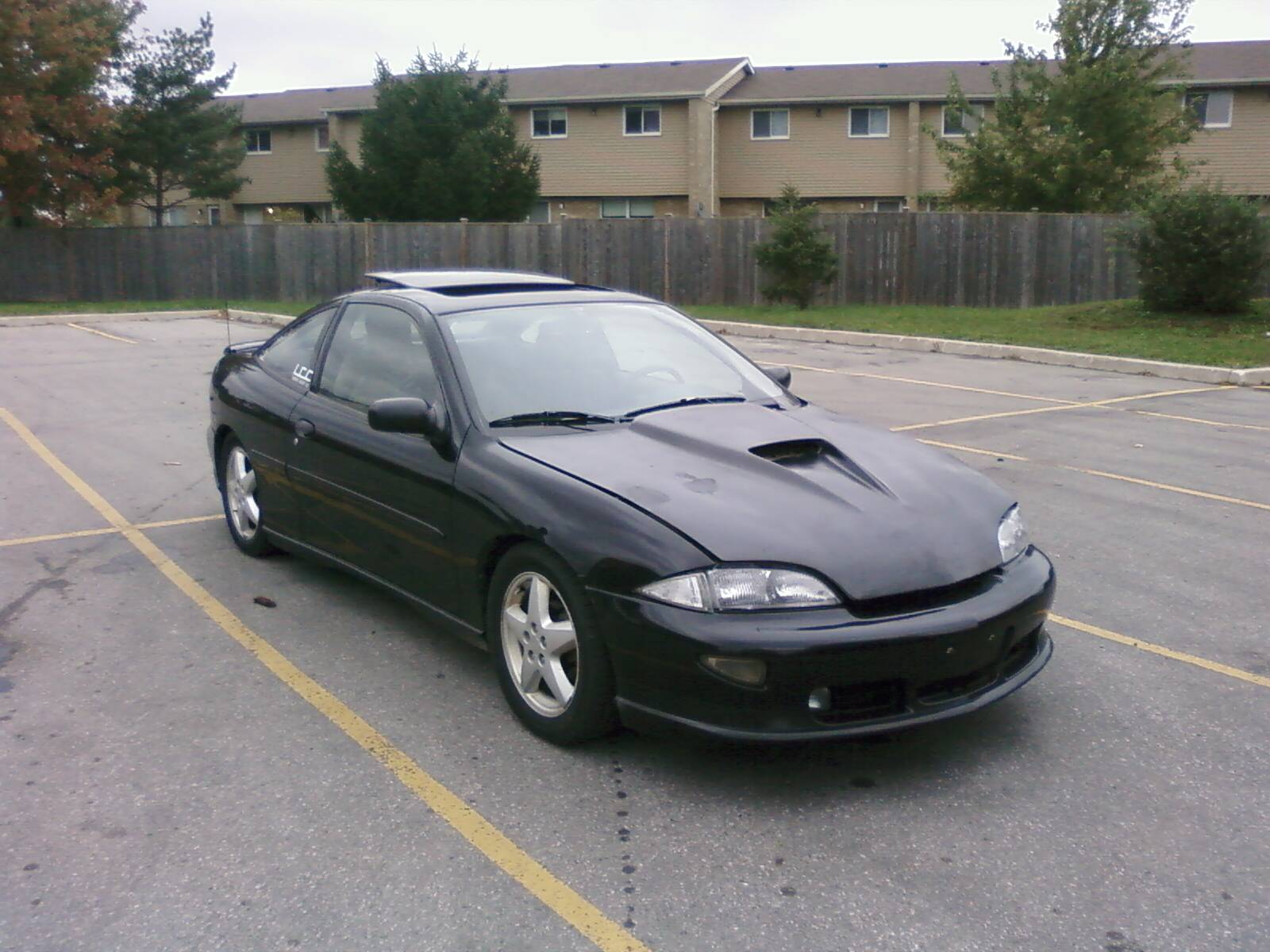
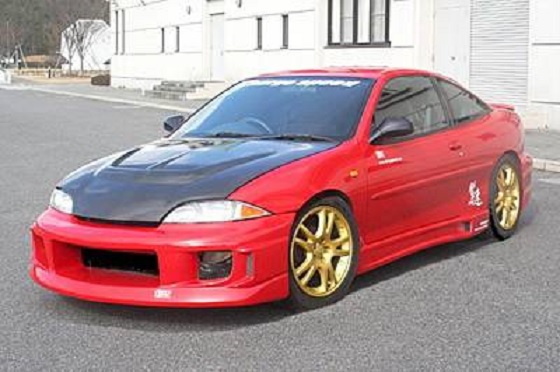
The Chevrolet Cavalier Z24 was a popular model in the late 1980s and early 1990s, known for its sporty design and relatively low cost. The Z24 was the highest trim level of the Cavalier and featured a 2.8-liter V6 engine that produced 135 horsepower. While the Z24 was known for its sporty design, many car enthusiasts saw potential for improving its performance through various upgrades and modifications. With a strong aftermarket support system, Cavalier Z24 owners have access to a wide range of upgrades that can significantly enhance their car's performance and driving experience. From engine upgrades to suspension upgrades, Cavalier Z24 tuning offers a variety of options for owners to customize their vehicles to their liking.

Importance of tuning for better performance.

Tuning your Cavalier Z24 is essential if you want to get the most out of your car's performance. The upgrades and modifications available can significantly improve your car's horsepower, acceleration, handling, and braking, making it a more enjoyable and satisfying driving experience. By fine-tuning your car's components, you can optimize the way they work together, improving overall performance and driving dynamics. In addition to the performance benefits, tuning your Cavalier Z24 can also increase its resale value, as many car enthusiasts are willing to pay a premium for a well-maintained, tuned vehicle. Ultimately, the importance of tuning your Cavalier Z24 comes down to the thrill of driving a car that performs at its best, giving you an exciting and dynamic ride every time you get behind the wheel.

Engine Upgrades

One of the most significant areas of Cavalier Z24 tuning is engine upgrades. By upgrading your car's engine components, you can significantly increase its horsepower and overall performance. Some of the most popular engine upgrades for the Cavalier Z24 include intake systems, headers, and exhaust systems.

  1. An aftermarket air intake system can significantly improve the airflow to your engine, allowing it to breathe more easily and perform more efficiently. Upgrading to a high-flow air filter and intake system can also provide a noticeable improvement in throttle response and engine sound.
  2. Headers are another popular engine upgrade for the Cavalier Z24. By replacing the stock exhaust manifold with headers, you can improve exhaust flow, which can lead to increased horsepower and torque. Headers can also help to reduce engine heat, which can improve overall engine reliability.
  3. An aftermarket exhaust system is another popular engine upgrade for the Cavalier Z24. Upgrading to a performance exhaust system can significantly increase the flow of exhaust gases, which can increase horsepower and torque. Additionally, a performance exhaust system can provide a sporty exhaust note that sounds great under hard acceleration.

When upgrading your Cavalier Z24's engine, it's important to ensure that all the components work together in harmony. In many cases, a custom ECU tune may be necessary to optimize the performance gains of the new components. By combining these engine upgrades and fine-tuning the car's ECU, you can achieve significant improvements in your Cavalier Z24's horsepower, torque, and overall performance.

Suspension Upgrades.

In addition to engine upgrades, suspension upgrades are another essential aspect of Cavalier Z24 tuning. Upgrading your car's suspension can significantly improve its handling and stability, making it more fun and engaging to drive.

  1. Coilovers are a popular suspension upgrade for the Cavalier Z24. By replacing your car's stock springs and shocks with coilovers, you can adjust the car's ride height and damping characteristics, which can improve both handling and ride quality. Coilovers can also provide a more aggressive look for your car, giving it a sportier stance.
  2. Sway bars are another popular suspension upgrade for the Cavalier Z24. By upgrading to stiffer sway bars, you can reduce body roll and improve the car's cornering ability. This can significantly improve the car's handling and make it more responsive to your inputs.
  3. Strut braces are another suspension upgrade that can improve your Cavalier Z24's handling. By adding a strut brace to the front or rear of your car, you can reduce chassis flex, which can improve handling and stability during hard cornering.

When upgrading your Cavalier Z24's suspension, it's important to ensure that all the components work together in harmony. Upgrading just one part of the suspension system may not provide the full benefit of the upgrade. By upgrading the suspension as a whole, you can achieve significant improvements in your Cavalier Z24's handling and stability.

ECU Tuning.

ECU tuning is another critical aspect of Cavalier Z24 tuning. The engine control unit (ECU) is responsible for managing the car's engine parameters, such as fuel injection, ignition timing, and throttle response. By modifying the ECU's settings, you can significantly improve your Cavalier Z24's performance.

An ECU tune can provide several benefits, such as increased horsepower and torque, improved throttle response, and smoother power delivery. A custom ECU tune can also adjust the car's air/fuel ratio, which can improve fuel efficiency and reduce emissions.

There are two primary methods of ECU tuning for the Cavalier Z24: chip tuning and flash tuning. Chip tuning involves physically replacing the car's ECU with a modified chip, while flash tuning involves reprogramming the ECU's software. Both methods can significantly improve your car's performance, but flash tuning is generally considered more convenient and less intrusive.

When selecting an ECU tuning solution for your Cavalier Z24, it's important to choose a reputable tuning company or professional tuner. Improperly tuning your car's ECU can lead to engine damage or other issues. A reputable tuner will ensure that your car's performance gains are safe and reliable.

In summary, ECU tuning is a crucial aspect of Cavalier Z24 tuning that can provide significant performance gains. By optimizing the car's engine parameters, you can improve horsepower, torque, throttle response, and overall drivability. When selecting an ECU tuning solution, be sure to choose a reputable tuner to ensure safe and reliable performance gains.

Brake Upgrades.

Brake upgrades are an essential aspect of Cavalier Z24 tuning, particularly if you plan to use your car for high-performance driving. Upgrading your car's brakes can significantly improve its stopping power, which can improve both safety and performance.

  1. One of the most popular brake upgrades for the Cavalier Z24 is upgrading to larger brake rotors and calipers. Larger brake components can provide better heat dissipation and reduce brake fade, which can improve braking performance during hard driving. Additionally, larger brake components can improve the car's appearance, giving it a more aggressive stance.
  2. Another popular brake upgrade for the Cavalier Z24 is upgrading to performance brake pads. Performance brake pads can provide improved stopping power, particularly during high-performance driving. They can also provide better pedal feel and reduce brake dust, which can help to keep your wheels cleaner.
  3. Upgrading to stainless steel brake lines is another popular brake upgrade for the Cavalier Z24. Stainless steel brake lines are more resistant to expansion under pressure than rubber brake lines, which can improve brake pedal feel and reduce the risk of brake line failure.

When upgrading your Cavalier Z24's brakes, it's important to ensure that all the components work together in harmony. Upgrading just one part of the brake system may not provide the full benefit of the upgrade. By upgrading the brakes as a whole, you can achieve significant improvements in your car's braking performance and safety.

Tire Selection.

Selecting the right tires is an essential aspect of Cavalier Z24 tuning. Tires are the only part of your car that makes contact with the road, and they can significantly impact your car's handling, traction, and overall performance.

One of the most important factors to consider when selecting tires for your Cavalier Z24 is the tread pattern. High-performance tires typically feature a more aggressive tread pattern that provides better traction and handling during hard driving. However, aggressive tread patterns may also result in increased road noise and reduced tread life.

Another important factor to consider when selecting tires for your Cavalier Z24 is the tire compound. High-performance tires typically feature a softer compound that provides better grip and traction on dry roads. However, softer tire compounds may also result in reduced tread life and reduced performance in wet or cold conditions.

Tire size is another important factor to consider when selecting tires for your Cavalier Z24. Wider tires can provide better grip and handling, but they may also result in increased weight and reduced fuel efficiency. Additionally, wider tires may require modifying the car's suspension or fender wells to fit properly.

When selecting tires for your Cavalier Z24, it's important to consider your driving needs and habits. If you plan to use your car for high-performance driving, you may want to consider a high-performance tire with an aggressive tread pattern and soft compound. If you primarily use your car for commuting or daily driving, you may want to consider a tire with a longer tread life and better fuel efficiency.

In summary, selecting the right tires is a crucial aspect of Cavalier Z24 tuning that can significantly impact your car's handling, traction, and overall performance. When selecting tires, consider factors such as the tread pattern, tire compound, and tire size, and choose a tire that meets your driving needs and habits.

Conclusion.

In conclusion, Cavalier Z24 tuning can provide significant improvements in your car's performance, handling, and overall driving experience. By upgrading components such as the engine, suspension, brakes, and tires, you can create a car that is more powerful, agile, and fun to drive.

It's important to approach Cavalier Z24 tuning with a comprehensive plan that considers all aspects of the car's performance. By upgrading just one component of the car, you may not achieve the full benefit of the upgrade. Instead, it's best to take a holistic approach and upgrade the car's components as a whole.

Additionally, it's important to choose high-quality components and work with reputable tuners or professionals when upgrading your Cavalier Z24. Improperly tuning your car or using low-quality components can lead to safety issues or engine damage.

Overall, Cavalier Z24 tuning can be a fun and rewarding process that can result in a car that is more powerful, agile, and fun to drive. With careful planning and the right components, you can create a car that meets your driving needs and provides an exhilarating driving experience.

Cavalier Z24 tuning is important for achieving better performance from your car. Tuning can improve your car's engine power, suspension, brakes, and tires, all of which can impact your car's overall performance, handling, and driving experience.

Upgrading the engine can increase horsepower and torque, providing better acceleration and speed. Suspension upgrades can improve handling and traction, while brake upgrades can improve stopping power and reduce the risk of brake fade. Tire selection is also crucial, as the right tire can provide better grip and traction, resulting in better handling and overall performance.

It's important to approach Cavalier Z24 tuning with a comprehensive plan that considers all aspects of your car's performance. Upgrading just one component may not provide the full benefit of the upgrade. Additionally, choosing high-quality components and working with reputable tuners or professionals is essential for achieving the best results.

Overall, Cavalier Z24 tuning can provide a fun and rewarding experience, resulting in a car that is more powerful, agile, and fun to drive. By carefully planning and choosing the right components, you can create a car that meets your driving needs and provides an exhilarating driving experience.

If you're a Cavalier Z24 owner who is looking to improve the performance of your car, then now is the time to take action and start tuning. With the right upgrades and modifications, you can create a car that is more powerful, agile, and fun to drive.

There are many resources available online and in your local community to help you get started with tuning your car. From online forums to local car clubs and performance shops, you can find the support and advice you need to make informed decisions about upgrading your car.

So why wait? Start researching and planning your Cavalier Z24 upgrades today. Consider your driving needs and habits, and choose upgrades that will provide the best performance benefits for your car. Whether you're looking to improve your car's speed, handling, or overall driving experience, there are many options available to help you achieve your goals.

With careful planning and the right components, you can create a car that meets your driving needs and provides an exhilarating driving experience. So take action today and start tuning your Cavalier Z24 for better performance and a more enjoyable driving experience.

Wednesday, February 22, 2023

Unlocking Hidden Power: Top Nissan Z24 Engine Modifications to Consider

Unlocking Hidden Power: Top Nissan Z24 Engine Modifications to Consider

Nissan Z24 engine modifications are a popular way for car enthusiasts to improve the performance and driving experience of their vehicles. The Nissan Z24 engine is known for its reliability, but with the right modifications, it can also be a powerful machine that provides an exhilarating ride. From air intake modifications to turbocharging or supercharging, there are a variety of modifications that can increase horsepower, torque, and overall performance. In this blog post, we will discuss some of the top Nissan Z24 engine modifications that car enthusiasts should consider to unlock the hidden power of their vehicles.

Air intake modifications.

Air intake modifications are a popular starting point for Nissan Z24 engine modifications. The air intake system is responsible for delivering oxygen to the engine, which is essential for combustion. By modifying the air intake, you can increase the amount of air flowing into the engine and improve its performance.

There are several types of air intake modifications to consider for the Nissan Z24, including replacing the stock air filter with a high-performance air filter, upgrading to a cold air intake system, or installing a ram air intake system.

Replacing the stock air filter with a high-performance air filter is a relatively inexpensive and easy modification that can improve the airflow to the engine. These filters are designed to be less restrictive than stock filters, allowing more air to enter the engine. A high-performance air filter can increase horsepower and acceleration, and it can also improve fuel efficiency.

Upgrading to a cold air intake system involves replacing the entire air intake system, including the air filter, with a larger, more efficient system. Cold air intakes draw cooler air from outside the engine compartment, which is denser and contains more oxygen. This denser air provides more power to the engine, increasing horsepower and torque.

Finally, a ram air intake system works by forcing air into the engine through a scoop mounted on the hood of the car. This high-pressure air helps to increase the airflow into the engine, which can increase horsepower and acceleration.

Overall, air intake modifications are a great starting point for Nissan Z24 engine modifications. They can be relatively inexpensive and easy to install, and they provide noticeable improvements in engine performance. If you're considering air intake modifications for your Nissan Z24, it's important to consult with a professional mechanic or tuner to ensure that the modifications are installed correctly and to get the best performance possible.

Exhaust system modifications.

Exhaust system modifications are another popular upgrade for Nissan Z24 engine modifications. The exhaust system is responsible for removing the waste gases produced during combustion, and by modifying the exhaust system, you can increase the engine's performance and sound.

There are several types of exhaust system modifications to consider for the Nissan Z24, including replacing the stock exhaust system with a high-performance aftermarket exhaust system, upgrading to a high-flow catalytic converter, and installing headers.

Replacing the stock exhaust system with a high-performance aftermarket exhaust system involves replacing the entire exhaust system, including the muffler and pipes. High-performance exhaust systems are designed to be less restrictive than stock systems, allowing the engine to breathe more freely. This improved airflow increases horsepower and torque, and it can also improve the engine's sound, giving it a more aggressive and sporty tone.

Upgrading to a high-flow catalytic converter can also improve the engine's performance by reducing backpressure in the exhaust system. A high-flow catalytic converter is less restrictive than the stock converter, allowing more exhaust gases to flow through the system. This increased flow can increase horsepower and torque.

Finally, installing headers can further improve the performance of the exhaust system. Headers replace the stock exhaust manifold, allowing for a more direct and free-flowing exhaust path. This increased flow can improve the engine's power and sound.

In conclusion, exhaust system modifications are an effective way to increase the performance and sound of your Nissan Z24 engine. By replacing the stock exhaust system with a high-performance aftermarket system, upgrading to a high-flow catalytic converter, or installing headers, you can improve the engine's horsepower and torque, and give it a more aggressive and sporty sound. As with any modification, it's important to consult with a professional mechanic or tuner to ensure that the modifications are installed correctly and to get the best performance possible.

Engine control unit (ECU) tuning.

Engine Control Unit (ECU) tuning is a popular way to improve the performance of the Nissan Z24 engine. The ECU is the brain of the engine, controlling a variety of functions, including fuel injection, ignition timing, and turbo boost. By tuning the ECU, you can optimize these functions for better performance, increased horsepower, and improved fuel efficiency.

ECU tuning can be done in a variety of ways, including piggyback systems, standalone ECUs, and reflashing the factory ECU. Piggyback systems intercept signals from the factory ECU and modify them before sending them to the engine. Standalone ECUs replace the factory ECU entirely, providing complete control over engine functions. Reflashing the factory ECU involves updating the software in the ECU to optimize its performance.

With ECU tuning, you can adjust a variety of engine parameters to improve performance, including fuel injection timing, ignition timing, air-fuel ratios, and turbo boost. These adjustments can increase horsepower, improve acceleration, and provide a more responsive and exciting driving experience. Additionally, ECU tuning can also improve fuel efficiency, reducing the amount of fuel consumed by the engine.

It's important to note that ECU tuning can be a complex process, and it's best to work with a professional tuner or mechanic to ensure that the modifications are done correctly. In addition, ECU tuning may not be legal in all areas, so it's important to check local laws and regulations before making any modifications.

In conclusion, ECU tuning is a powerful way to improve the performance of your Nissan Z24 engine. With the ability to adjust a variety of engine parameters, you can increase horsepower, improve fuel efficiency, and provide a more exciting and responsive driving experience. As with any modification, it's important to work with a professional to ensure that the modifications are installed correctly and to get the best performance possible.

Turbocharging or supercharging.

Turbocharging and supercharging are both popular methods of increasing the power and performance of the Nissan Z24 engine. They both involve compressing air that is forced into the engine, allowing it to burn more fuel and produce more power.

Turbocharging involves using a turbine to compress the air that is fed into the engine. The turbine is powered by the engine's exhaust gases, so the turbocharger is most effective at higher RPMs when there is more exhaust gas flow. Turbocharging can increase horsepower and torque, and it can provide a significant boost in performance. However, it can also be expensive to install and can put additional stress on the engine and other components.

Supercharging, on the other hand, uses a belt-driven compressor to compress the air that is fed into the engine. Superchargers are generally more effective at lower RPMs, which can provide a more immediate boost in performance. Supercharging can also increase horsepower and torque, and it is generally easier to install than a turbocharger. However, it can also be less efficient than turbocharging and may generate more heat, which can lead to engine problems.

Both turbocharging and supercharging require modifications to the engine and other components, and they can also put additional stress on the engine and other components. As a result, it's important to work with a professional tuner or mechanic to ensure that the modifications are done correctly.

In conclusion, turbocharging and supercharging are both effective ways to increase the power and performance of the Nissan Z24 engine. They both compress air to allow for more fuel to be burned, producing more power. Turbocharging is most effective at higher RPMs and can provide a significant boost in performance, while supercharging is more effective at lower RPMs and can provide a more immediate boost in performance. As with any modification, it's important to work with a professional to ensure that the modifications are installed correctly and to get the best performance possible.

Performance camshaft.

A performance camshaft is a popular modification for the Nissan Z24 engine that can improve performance and increase horsepower. The camshaft is a key component in the engine's valve train, controlling the opening and closing of the engine's valves. By upgrading to a performance camshaft, you can adjust the valve timing and lift, allowing the engine to breathe more efficiently and produce more power.

Performance camshafts come in a variety of profiles, with different durations, lifts, and lobe separations. The choice of camshaft will depend on the specific application and the goals of the engine modifications. A more aggressive camshaft profile can provide increased power and higher RPM potential, but it may also require additional modifications to the engine, such as higher performance valve springs.

In addition to increasing horsepower and torque, a performance camshaft can also provide a more aggressive exhaust note and improve throttle response. However, it's important to note that a camshaft upgrade can also make the engine less efficient at low RPMs, so it's important to choose the right camshaft for the specific application.

Installing a performance camshaft can be a complex process and may require additional modifications to the engine, such as upgrading the valve train or adjusting the ECU. It's important to work with a professional tuner or mechanic to ensure that the modifications are done correctly and to get the best performance possible.

In conclusion, a performance camshaft is a popular modification for the Nissan Z24 engine that can improve performance, increase horsepower, and provide a more aggressive exhaust note. The choice of camshaft will depend on the specific application and the goals of the engine modifications. As with any modification, it's important to work with a professional to ensure that the modifications are installed correctly and to get the best performance possible.

Conclusion.

In conclusion, the Nissan Z24 engine can be modified in a number of ways to improve its performance and increase horsepower. Some of the most popular modifications include air intake modifications, exhaust system modifications, engine control unit (ECU) tuning, turbocharging or supercharging, and performance camshafts.

Each of these modifications has its own benefits and drawbacks, and the choice of modification will depend on the specific goals of the engine modifications and the intended application. It's important to work with a professional tuner or mechanic to ensure that the modifications are done correctly and to get the best performance possible.

Ultimately, modifying the Nissan Z24 engine can be a rewarding experience for those who are passionate about improving their vehicle's performance. With the right modifications and the help of a professional, it's possible to achieve significant gains in horsepower and performance, while still maintaining the reliability and drivability of the engine.

Saturday, January 28, 2023

Reviving a Classic: Restoring a 1998 Chevy Cavalier Z24

Reviving a Classic: Restoring a 1998 Chevy Cavalier Z24.

The Chevy Cavalier Z24 was a popular car in the late 90s, known for its sporty design and affordable price. As a car enthusiast, I have always had a soft spot for these classic vehicles. So, when I came across a 1998 Chevy Cavalier Z24 that needed some TLC, I knew I had to take on the restoration project.

Reviving a classic car is no easy task, but it is incredibly rewarding. The process of bringing an old car back to life is not just about making it look good, it’s about restoring the car to its former glory and giving it a new lease on life. That’s exactly what I set out to do with this 1998 Chevy Cavalier Z24.

The journey started with finding the right car. I searched high and low for the perfect 1998 Chevy Cavalier Z24, and finally, I found one that was in decent shape but needed some work. I assessed the condition of the car and determined the necessary repairs and restoration that needed to be done.

The restoration process was a long and challenging one, but it was also incredibly satisfying. From the bodywork and paint job, to the mechanical repairs and upgrades, to the interior restoration and updates, every step of the way was a learning experience. I even updated the car's technology and accessories to bring it up to modern standards.

When the restoration was finally complete, the finished product was nothing short of stunning. The car looked like new and ran like a dream. In this blog post, I will be taking you through the entire restoration process, from start to finish. From finding the right car, to the finished product, I will share my experience and the challenges I faced along the way. I hope that this post will inspire other car enthusiasts to consider restoring a classic car of their own.

The Restoration Process

Bodywork and paint job: The first step in the restoration process was to address the bodywork and paint job. The car had a few dings and scratches that needed to be fixed, and the paint was faded and chipped in some areas. I took the car to a professional body shop where they repaired any damage and gave the car a fresh coat of paint. The end result was a sleek and shiny exterior that looked like new.

Mechanical repairs and upgrades: The next step was to address any mechanical issues the car had. I had the engine and transmission serviced, and replaced any worn out parts. I also upgraded the suspension and brakes to give the car a more modern and sporty feel. These repairs and upgrades ensured that the car would run smoothly and perform well for years to come.

Interior restoration and updates: The interior of the car also needed some work. The seats were worn and stained, and the dashboard was cracked and faded. I had the seats reupholstered and the dashboard replaced. I also updated the car's technology and accessories, adding a new sound system and navigation system to bring it up to modern standards.

Updating the car's technology and accessories: Finally, I updated the car's technology and accessories to bring it up to modern standards. I added a new sound system, navigation system, and a touch screen display to make the car more user-friendly and enjoyable to drive.

The Finished Product

Reveal of the restored 1998 Chevy Cavalier Z24: After months of hard work, the car was finally complete. The finished product was nothing short of stunning. The car looked like new and ran like a dream. I was extremely proud of the work I had done and couldn't wait to take it out for a spin.

Comparison of before and after photos: To show the transformation of the car, I took before and after photos of the car. The difference was astounding. The car went from looking tired and worn out, to sleek and shiny. It was hard to believe that it was the same car.

Discussion of the car's performance and any new features or upgrades added during the restoration: The car's performance was greatly improved after the restoration. The engine ran smoothly, the suspension and brakes provided a more sporty feel, and the new technology and accessories made the car more user-friendly and enjoyable to drive. I was thrilled with the results and couldn't wait to show off my restored classic car.

Conclusion.

Reflection on the restoration process: Restoring a classic car is no easy task, but it is incredibly rewarding. The process of bringing an old car back to life is not just about making it look good, it’s about restoring the car to its former glory and giving it a new lease on life. I am proud of the work I have done and the end result is a car that looks and runs like new.

Encouragement for others to consider restoring a classic car of their own: I hope that this post has inspired other car enthusiasts to consider restoring a classic car of their own. It is a challenging, but ultimately rewarding process. Not only do you get to bring a classic car back to life, but you also get to create a piece of history that you can enjoy for years to come.

Final thoughts: Restoring a classic car is a labor of love, but the end result is a car that is unique, stylish, and full of character. The 1998 Chevy Cavalier Z24 is a classic car that will always hold a special place in my heart, and I am proud to have been able to bring it back to life. I encourage others to consider restoring a classic car of their own, it is an experience that you will never forget.

Saturday, June 28, 2014

1998 Chevy Cavalier Z24 2.4L LD9 PCM Wiring Diagram

1998 Chevy Cavalier Z24 2.4L LD9 PCM Wiring Diagram.


1998 Chevy Cavalier Z24 2.4L LD9 PCM Fuel Pump Relay Wiring Diagram


1998 Chevy Cavalier Z24 2.4L LD9 PCM Fuel Pump Relay Wiring Diagram Schematic.
Notes On Testing Fuel System Circuit To Check Wiring, Find Bad Wiring Or Shorts, Bad Fuel Pump Relay, And PCM Signals On 1998 Chevy Cavalier Z24 2.4L LD9 With 3rd Party After Market Vehicle Key Fob Required Security System Spliced In Up And Behind Drivers Side Lower Dash.

Plastic Key Fob On Key Chain Required To Be Present To Start Car. If The Plastic Key Fob Is Present The Fuel Pump Will Initialize For 2 Seconds Before Cranking. If The Gas Peddle Is Pushed Down To Wide Open Throttle On Power On And Crank That Forces Clear Flood Mode Resulting In A Starter Crank With No Start Condition PCM Will Reinitialize The Fuel Pump For 2 Seconds When Cranking Stops. Attempting To Start Normally After A Forced Clear Flood Mode No Start Will Start The Vehicle Normally.

If The Plastic Key Fob On The Key Chain Is Not Present The Fuel Pump Will Not Initialize On Power On Before Crank Like It Does If The Plastic Key Fob Is Present. When You Attempt To Crank With No Key Fob Present The Starter And The Fuel Pump Do Not Initialize. Cranking Does Not Initialize The Starter And Cranking Does Not Initialize The Fuel Pump. If Clear Flood Mode Is Used The Starter Does Not Initialize, And The Fuel Pump Does Not Re Initialize.

Notes: If Clear Flood Mode Is Used With Key Fob Present And Vehicle Starts Check Injectors For Leaking Injectors, A Bad Injector Seal.

I am confident that I have a bad electrical connection, bad ground or a fuel presure regulator control problem, leaking injectors, or injector seal issues.

When I apply power from battery I can pump until I disconnect.

Have you checked the fuel pump relay?
Did the car stop running because of spark?
Are you cranking to get fuel past the 2 seconds?

While cranking the engine,make a second pin of the relay is getting 12 volts coming from the Powertrain Control Module. This should be the Dark Green/White wire.

If the circuits are good then at the fuel pump relay jumper the 12 volt supply wire to the Gray wire and see if the fuel pump runs.

If the pump still does not come on then check the Gray wire from the relay to the tank and see if the wire is broken.

If there is power on the Gray wire at the tank but the pump does not run then verify the ground to the fuel pump is good and replace the fuel pump.

Can you help me with specifict locations and what kind of power to check on specific wires. I am working against time.

I am very appreciative of your quick response. I will loose some good day light soon.


The fuel pump grounds at G304, which is also the ground for most of the lighting, so if they are all working probably not a ground issue. Maybe the computer is losing supply? Check the green/white wire from the pcm to make sure you the pcm is dropping signal.

Also is did the check engine light come on? Does the security or anti theft light stay on while cranking?

Ok good stuff we might be getting close. The car does have lighting problems. We had to jump from one Sid to the other to get a light to work and day time lights flicker unless lights are turned on.

Where is G304.At the left front of the passenger compartment.

I thought I had a defective pump because I seen power at the pump. But may not have taken the time to see the power disappear after 2 sec. Which does not give it enough time to get fuel up on a newly changed fuel pump.

Definitely try the relearn i gave you, this could be the issue. The problem is that if it is anti theft it will probably need new passlock sensor to fix correctly. At this point I do not think the fuel pump is the issue. If you have power there and the ground is good then the pump should run shortly. If it does not then the pump is bad, that's where we need a fuel pressure guage. Every time you cycle the pump it should run shortly. I feel pretty confident your issue is not in the pump. I will be on again tomorrow some time as I am home with an injury, so let me know.

Ok but here is my issue before I put the tank back in.

Should it not pump fluid.

I just checked with the switch in the run position I get 2sec of power then in the crank I get power till I let off then no power on the gray and solid black which I was told from pump tech Suport is the source for the pump.

When I connect why can't I get fund to pump. If I put 12 on the gray and black I get fluid in less than 2sec.

I just ran another test. Battery a little low. Only getting 7 to 10 volts for two seconds then 5 volts when cranking. So I hooked up the boat battery that I have been using to apply 12 volts to the pump directly as a jumper to the existing in car battery and got the same result.


ps the "theft system" light does not go off after 10 min. As the procedure indicates??

When the ignition switch is turned to the ON position, the PCM energizes the fuel pump relay for 2 seconds allowing the fuel pump to pressurize the fuel system. If the PCM does not receive any ignition reference pulses (engine cranking or running) within 2 seconds , the PCM de-energizes the fuel pump relay; this causes the fuel pump to stop. Yes the gray wire is the power, but if you are losing ignition reference pulses then it shuts off. You are going to have to check the cam and crank signals next. You will need a scanner to check for these signals.


When I apply 12 volts from a boat battery to the Gary and Blk wire I can hear the pump and get instant fuel out of the output.

When I monitor the voltage at the conectors that connects to the pump. In the on position I get between 5 and 8 volts. Then it shuts off like I think it should. As we continue the normal process and turn the key to crank I get the gray and the black to show me the same 5 to 8 volts as long as I am cranking. Which leads me to belieive I may have a bad ground. Could it be that 8 volts is not enogh to power the pump.

A piece of info that I have not shared with you from the past that when you said something about light issues, is that a past just answer mechanic helped me repair a front head light by jumping a wire from the good one to the one that would not work because it was a easier solon that finding a common problem with a junction box under the battery??????

Is it possible that I am looking for a bad ground.
Is their a historical spot I should look at that would be common to light and fuel pump?

The easiest thing to do at this point would be to run a new ground wire at the gray wire at the pump, there has been some problems with these plugs. You have to have 12 v at the pump. If you don't then there is a problem. How many volts are in the battery? This is the voltage that you should be getting at the pump. This system is :

The pcm commands the fuel pump relay on then the relay pulls in and energizes the gray wire to the injectors and the fuel pump. At this point you should get battery voltage at the pump for 2 seconds or while cranking. If you have this scenario then the ground or plug would have to be the culprit. Run a new ground if you have this and it should run.

I have less than 200 ohm resistance from connector at pump to battery.

So I now must look to the B+ side to see where I am loosing power.

Can you please get me the schematic for this circuit and the connector locations?


splice s121 is In the engine harness, front of the engine, approximately 27 cm (11 in) from C100

It is one of two connectors and to be specific the B+. side of the equation. Under the dash board or the one by the tank.

run a external ground from the battery to black at tank that would have and proved the ground to prove not to be the problem.
I then needed and did start checking the B+ points coming from battery to the tank at all of the connection points until I found my voltage drop from 12

About the relay :
While cranking the engine,make a second pin of the relay is getting 12 volts coming from the Powertrain Control Module. This should be the Dark Green/White wire.

If the circuits are good then at the fuel pump relay jumper the 12 volt supply wire to the Gray wire and see if the fuel pump runs.

If the pump still does not come on then check the Gray wire from the relay to the tank and see if the wire is broken.

If there is power on the Gray wire at the tank but the pump does not run then verify the ground to the fuel pump is good and replace the fuel pump.

This test would have shown us if you were losing power, but in your response you said you checked the relay, which I assumed you did my test, so then we moved on to other possibilities, like grounds and connections.

Tuesday, June 24, 2014

LD9 2.4L Engine Hesitation

Engine Hesitation is when your 1998 Chevy Cavalier Z24 2.4L engine runs rough, misfires, stumbles seems to lacks power when you accelerate t the car or step on the throttle. Most engine hesitation problems with the 1998 Chevy Cavalier Z24 2.4L LD9 engine often means that the air/fuel ratio mixture is not being properly enriched or, is going lean, or the ignition system is weak and is misfiring when the engine comes under load or the air/fuel mixture goes lean.

When you step down on the accelerator and the throttle opens, the engine sucks in more air. The computer should respond by adding more fuel.

If the engine has a speed-density type of fuel injection system (no airflow sensor), the computer uses inputs from the throttle position sensor, manifold absolute pressure sensor, air temperature sensor and engine rpm to estimate airflow and how much fuel the engine needs. NOTE: Speed-density systems are much less sensitive to vacuum leaks than EFI systems that use an airflow sensor.

If the engine has an airflow sensor (vane airflow or mass airflow), it looks primarily at the airflow signal from the airflow sensor, but also takes into account what the throttle position sensor and MAP sensor (if equipped) are telling it. NOTE: Airflow EFI systems are very sensitive to vacuum leaks, and air leaks downstream of the airflow sensor.

Consequently, if the inputs from any of these sensors is inaccurate or missing, the engine computer may not add enough fuel, allowing the fuel mixture to go lean causing a misfire that produces a hesitation or stumble when accelerating or opening the throttle.

The amount of fuel added by the computer when the throttle opens may also be insufficient if the fuel injectors are dirty or fuel pressure is low. The oxygen sensors in the exhaust monitor the air/fuel mixture so the computer can adjust fuel trim as needed to maintain the proper air/fuel ratio. Fuel trim adjustments can compensate for dirty injectors and/or low fuel pressure to a certain extent, but occur too slowly to offset a throttle hesitation problem.

Vacuum leaks will typically cause the fuel trim to run rich as the computer tries to compensate for the extra air being sucked into the engine through the leak.
Possible Causes of Engine Hesitation or Stumble:

  1. Dirty fuel injectors (cleaning the injectors often fixes this).
  2. Bad MAP (manifold absolute pressure) sensor
  3. Bad TPS (throttle position) sensor
  4. Bad or dirty MAF (mass airflow) sensor
  5. Low fuel pressure (leaky fuel pressure regulator or weak fuel pump)
  6. Vacuum leaks (intake manifold, vacuum hoses, throttle body, EGR valve)
  7. Bad gasoline (fuel contaminated with water or too much alcohol)


Sometimes, what feels like a hesitation is actually ignition misfire rather than a lean misfire. The causes of engine ignition misfire may include:

  1. Dirty or worn spark plugs.
  2. Bad plug wires.
  3. Weak ignition coil.
  4. Wet plug wires.


using scan tool to diagnose hesitation
Ascan tool that can display sensor data and fuel trim values can help you diagnose a hesitation problem.

DIAGNOSE ENGINE HESITATION PROBLEM

Diagnose may require checking the engine computer with a scan tool for any fault codes (including misfire codes), checking sensor response with a scan tool by looking at the various sensor PIDS (sensor values displayed on the scan tool), and testing sensors with a DVOM or scope if the values are out of range or the sensor is not responding normally. Additional diagnostic checks may include searching for vacuum leaks, inspecting/cleaning the EGR valve, measuring fuel pressure and volume, removing and inspecting the spark plugs, etc.

You can use a scan tool to check the fuel trim readings to see if the engine is running lean. Lean mixtures that are caused by vacuum leaks will have the most noticeable effect at idle. At part and full throttle, there is so much air entering the engine that a little extra air from a vacuum leak has a negligible effect.

Plug your scan tool into the diagnostic connector and start the engine, then look at the Short Term Fuel Trim (STFT) and Long Term Fuel Trim (LTFT) values. Normal range is typically plus or minus 8. If the numbers are +10 or higher for STFT and LTFT, the engine is running LEAN. If you rev the engine to 1500 to 2000 rpm and hold it for a minute or so, and the STFT value drops back down to a more normal reading, it confirms the engine has a vacuum leak at idle. If the STFT value does not change much, the lean fuel condition is more likely a fuel delivery problem (weak fuel pump, restricted fuel filter, dirty fuel injectors or a leaky fuel pressure regulator) than a vacuum leak.

For more information about using fuel trim to diagnose a lean fuel condition, read this article on Fuel Trim by Wells Manufacturing (PDF file, requires Adobe Acrobat to read).


DIAGNOSTIC TIPS FOR P0171 OR P0174 LEAN TROUBLE CODES

A code P0171 or P0174 (or both) indicate the engine is running lean. This means there is too much air and/or not enough fuel.

If you have a scan tool that can display Short Term Fuel Trim (STFT), you can confirm the engine is running lean by looking at the STFT at idle. If STFT is greater than about 10 to 12, the engine is running LEAN. Increase engine speed to 1600 to 2000 rpm and hold for a minute or so, then recheck the STFT value. If it has dropped 3 or 4 points or more, the lean problem is due to a vacuum leak (vacuum leaks have more of an impact on the idle fuel mixture than the cruise mixture). If the STFT valve is still the same, the problem is probably sensor-related (dirty or bad MAF sensor, or bad MAP sensor), or is due to low fuel pressure. The next steps would be to use the scan tool to look at the airflow and MAP sensor readings, and to check fuel pressure.

A lean fuel condition can be caused by:

  1. Low fuel pressure due to a weak pump (use a fuel pressure gauge to check fuel pressure at idle)
  2. Low fuel pressure due leaky fuel pressure regulator. (use a fuel pressure gauge to check fuel pressure at idle)

Dirty fuel injectors. (try cleaning the injectors)
Vacuum leaks at the intake manifold, vacuum hose connections or throttle body. (Check for vacuum leaks)
Leaky EGR valve. (Check the operation of the EGR valve)
Leaky PCV Valve or hose. (Check valve and hose connections)
Dirty or defective Mass Airflow Sensor (MAF). (Try cleaning the MAF sensor wires or filament with aerosol electronics cleaner. Do NOT use anything else to clean the sensor, and do not touch the sensor wires)
Repairs will depend on what is causing the hesitation. If the cause is fuel related, it may require cleaning the fuel injectors or fixing a vacuum leak. If the cause is ignition related, it may require replacing the spark plugs and plug wires.

Thursday, June 19, 2014

DTC P0172 Fuel Trim System Rich Bank 1

1998 Chevy Cavalier Z24 2.4L LD9 DTC P0172 Fuel Trim System Rich Bank 1
DTC P0172 Fuel Trim System Rich Bank 1. Checked The air filter. The engine might not be getting enough air. If the engine is not getting enough air the system is rich.

If the air filter is good, or you replaced the air filter and you still pop P0172 then try cleaning the MAF - Mass Air Flow Sensor. Dirt On The MAF Mass Air Flow Sensor can cause MAF Mass Air Flow Sensors To overestimate air flow.

next do a fuel pressure and fuel leak down test
excessive fuel pressure or a leaky injector could cause it

Look at the values again! Read the long term and compare with the short term.
The LONG term is trying to TAKE away fuel, and a LOT of it, not add it
There is a condition somewhere causing the computer to "see" too much fuel and tries to reduce it.

Possible causes
EVAP system failure (Should set a code)
Fuel pressure high
Coolant temp sensor (Should set a code)
EGR system failure
MAF slightly out of range (Should set a code if it is severe enough)

remember (this is difficult for most guys to grasp ) the sensor does not see how much fuel you have in the exhaust, It can only read oxygen levels. So, rich means exhaust gasses are nearly void of any oxygen.
The long fuel trim reading of -16.x indicates that your computer has seen the rich condition and is correcting for it by cutting back on injector pulse width.
Now change that filthy air filter.

Because if it were being caused by an excessive fuel or overfueling condition you'd have black smoke and it wouldn't make it chug when cut back occurs, and your exhaust would be glowing red hot.

Diagnostic Trouble Code (DTC) P0172
Fuel Trim System Too Rich

Features of the Circuit

There will be a deflection in the adaptive terms which is capable of identifying a slow default emerging in case the adaptive value threshold is permanently exceeded.
 As the lambda controller supersedes the adaptation threshold, the two time counters (one for the rich side and another one for the lean side) will be kicked started.
The error or the discrepancy will be detected the moment either of the time counters attains the highest value.
This test is undertaken keeping in mind that a failure that can exceed the adaptive terms can be generated.
The following two failures need to be created.

a) A lean side deviation: P0171
b) A rich side deviation : P0172
Determining the limit good and the limit bad for each kind of failure therefore becomes mandatory.
For any given failure, it is advised to measure the emission threshold until the legal emission thresholds are exceeded.
It must also be noted that the problem is because of the emission thresholds required, which is pretty complicated and the system needs to be affected by some disturbance so that the emission thresholds may be exceeded.
A judicious calibration has already made the tuning but, since the regulation does not approve of such a move it is mandatory to forcibly generate some visible material malfunction like (fuel pressure regulator, fuel injector, air leakage...)etc.

When will DTC set?
Task Boosted When DTC sets
When Does DTC clear?
1) When the system is in closed loop.
1) The Malfunction Indicator Lamp (MIL) will be seen glowing after three failed repetitive trips.

1)   The MIL will stop work after four repetitive ignition cycles where the diagnostic functions flawlessly.

2) When Manifold Absolute Pressure (MAP) ranges between 70 kPa (10.2 psi).

2) The ECM is devised to record operating conditions at the time the diagnostic fails which will be stored in the Freeze Frame and Failure Records will be boosted.

2)  A history DTC will clear after 40 consecutive warm-up cycles without a fault
3) When Coolant temperature > than 80°C(176°F).

3) A history DTC is stored.

3)  The Scan Tool can be made use of in order to clear all DTCs
4)  When  DTCs P0107, P0108, P0112, P0113, P0117, P0118, P0122, P0123, P0131, P0132, P0337, P0338, P0341, P0342, P0400, P1319, P1402, P1404, P1405, P1671 and P1672 are not set.

-
4) Disconnecting the ECM battery feed for more than 10 seconds


Note: After repairs, use the scan tool Fuel Trim Reset function to reset the long-term fuel trim to 128 (0%).
Fuel pressure – An excessively low pressure will make the system lean. Monitoring fuel pressure while driving the vehicle at various road speeds and/or loads may become necessary here.
Map sensor - An output that enables the ECM to sense a manifold pressure which is  less than normal (high vacuum) can drive the system  lean.In such a case disconnecting the MAP sensor will permit  the ECM to substitute a fixed (default) value for the MAP sensor. If disconnecting the sensor kills the lean condition then substitute a known good sensor and recheck.
Fuel contamination - In trace amounts, water , near the in-tank fuel pump inlet can be added to the injector. water results in  a lean exhaust condition and can set DTC P0171.
Check for poor O2S or MAP sensor connection at the ECM. Inspect the harness connectors for the following conditions:
Improper mating
Damaged terminals
Broken locks
Improperly formed or
Backed-out terminals
Poor terminal-to-wire connection

Also examine the wiring harness to check whether there is any damage.
If the harness seems flawless, then note the O2S display on the scan tool as you move the connectors and the wiring harness related to the engine harness.
Any difference in the display will denote the location of the fault.
                             

You must check the 5 volt reference circuits to inspect whether a short to voltage is in vogue in case you see any DTC P1404 is set.
You also need to see if there is any restricted exhaust system.
Probe the 5 volt reference sensors for abnormal readings in case a shorted 5 volt reference circuit creates a DTC P0172 to set.